

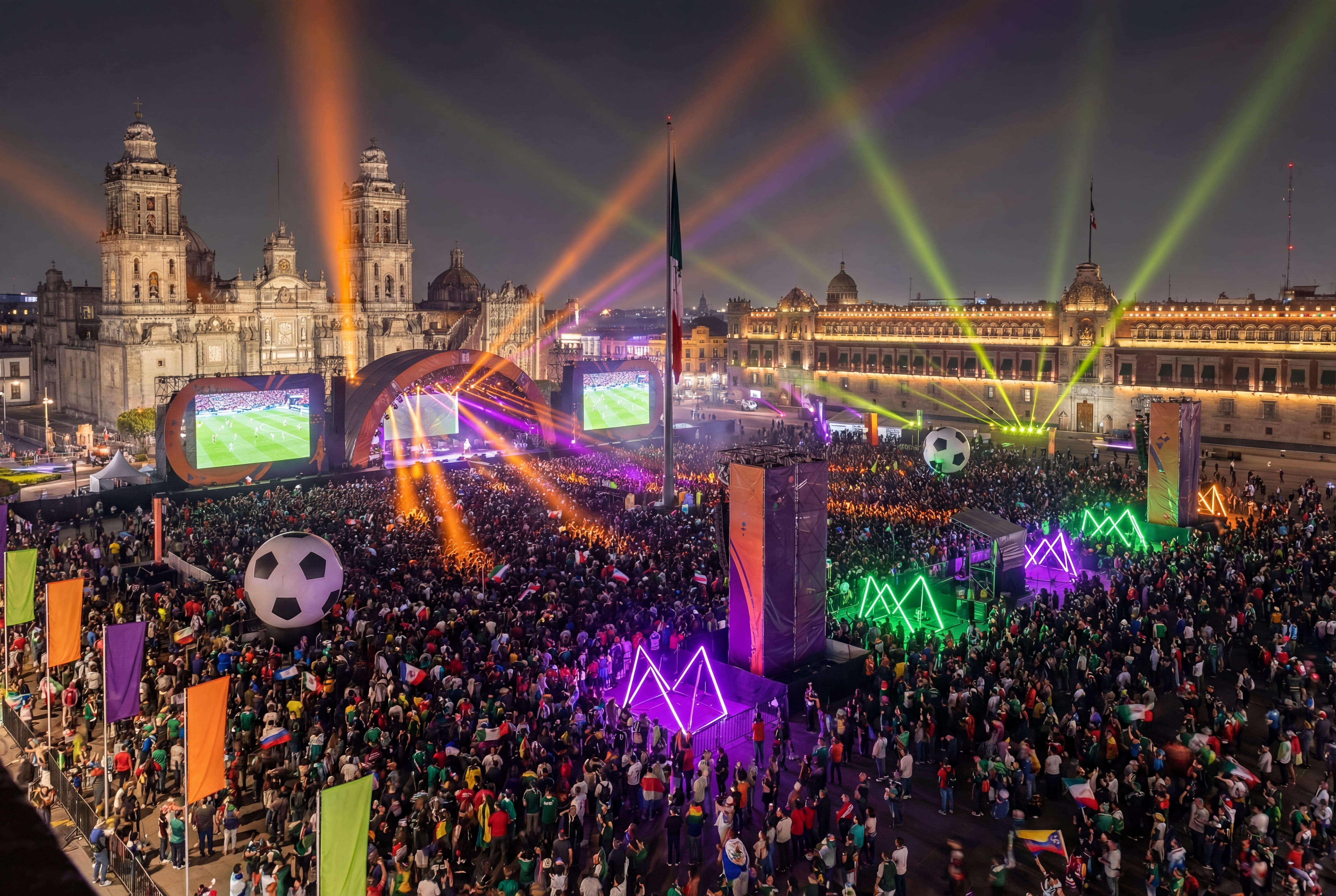
For decades, the experience of the world’s biggest football tournament was confined to two places: the stadium seats or the living room sofa. However, a massive shift occurred at the turn of the century that democratized the game. The evolution of fan fests during the World Cup began as a logistical solution to a massive influx of tourists and has since blossomed into the definitive way to experience the tournament’s atmosphere.
In this guide, we break down the history of these public viewing areas, starting with their official debut in Germany. We will explore why they were created, how they solved critical urban challenges, and what they offer to the modern supporter today.
The Birth of the Official Fan Fest: Germany 2006
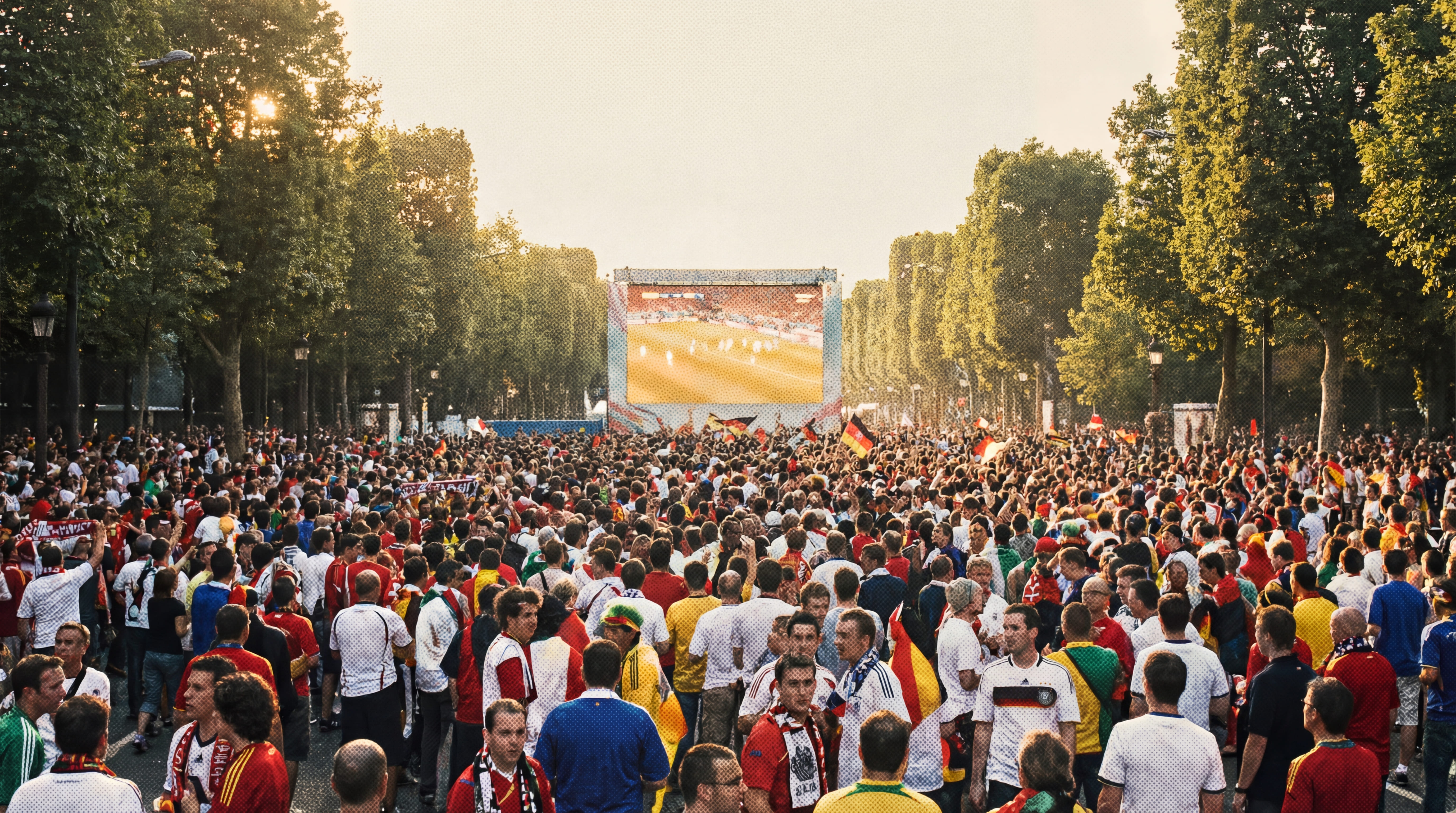
While fans have always gathered in streets, the "Fan Fest" as a formalized, branded, and safe entity was born during the 2006 tournament in Germany. Facing an unprecedented number of ticketless supporters arriving in host cities, organizers realized they needed a way to manage the crowds while maintaining the festive spirit. The city of Munich and the "Fan Mile" in Berlin became the blueprints for this experiment.
The 2006 event proved that public viewing events could be more than just a screen in a park. They provided a controlled environment with security, food, and official merchandise, turning potential crowd control headaches into a massive commercial and cultural success. This "Summer Fairytale" (Sommermärchen) changed the tournament's DNA forever.
Why Fan Fests Emerged: Solving Logistical Challenges
The primary driver behind the creation of these zones was necessity. As the tournament grew in popularity, stadium capacities simply couldn't keep up with global demand. Fan fests emerged to solve three specific problems:
- Crowd Management: By providing a designated "home base," cities could keep ticketless fans away from stadium perimeters.
- Safety and Security: Formalized zones allowed for bag checks, medical stations, and controlled entry, making the celebration safer for families.
- Economic Opportunity: They allowed local businesses and sponsors to engage with a concentrated audience that wasn't inside the venue.
By centralizing the energy of the fans, host cities were able to showcase their culture and hospitality to a much wider demographic than those holding match tickets.
The Shift to Digital Fan Zones and Global Accessibility
As technology advanced, so did the infrastructure of these hubs. We moved from simple projection screens to massive, high-definition LED walls. The rise of digital fan zones has introduced high-speed Wi-Fi, interactive apps for real-time voting, and cashless payment systems. This evolution ensures that the "fan fest" experience is no longer limited to the host country.
Today, high-profile cities worldwide host "Satellite Fan Fests." This means a supporter in London or Mexico City can enjoy the same high-production value and collective euphoria as someone standing in the host nation’s capital. The evolution has effectively turned the entire planet into one giant, synchronized stadium.

Maximizing the Utility of Modern Fan Zones
For the modern traveler, a fan fest is a vital resource. Beyond the match, these areas serve as the primary "Information Hub" for visitors. They often include transportation guides, official help desks, and cultural exhibitions. If you are attending a tournament, the fan fest is where you find the most reliable amenities outside of the stadiums themselves.
These spaces now prioritize accessibility, offering sensory-friendly zones for neurodivergent fans and dedicated areas for families. This utility-focused approach ensures that the "Evolution of fan fests during the World Cup" continues to prioritize the human experience alongside the spectacle of the sport.



.png)
