

The World Cup is no longer just a sporting tournament; it is a global commercial juggernaut that reshapes market dynamics every four years. For global corporations and agile startups alike, the event represents a rare window to capture the attention of over 5 billion projected viewers. But how companies use the World Cup for business goes far beyond simple logo placements on a pitch side perimeter board.
In the modern landscape, businesses leverage the World Cup to accelerate digital transformation, test large scale logistics, and forge deep emotional connections with diverse consumer bases. Whether through official multi million dollar partnerships or creative "ambush" tactics, the goal is the same: converting global football fever into long term brand equity and measurable revenue growth.

Driving Revenue Through Experiential Fan Zones
Physical presence in host cities is a critical pillar of World Cup business strategy. Companies are increasingly moving away from static ads toward immersive fan engagement. By setting up branded lounges and "Fan Zones," companies like Anheuser Busch and McDonald’s create direct touchpoints with millions of traveling supporters.
These activations often include high tech elements like projection mapping on city landmarks or AR powered penalty shootout games. These experiences are designed to be "Instagrammable," turning every visitor into a voluntary brand ambassador who shares the activation with their own social following. This organic reach provides an earned media value that often exceeds the initial cost of the installation.
Driving Growth Through Infrastructure and Event Production Services
For companies operating in the event management and hospitality sectors, the tournament represents the single largest contract opportunity in the global market. This isn't just about marketing; it is a high stakes arena where service providers demonstrate their technical capabilities under extreme pressure. From managing massive crowd flows to integrating cutting edge audiovisual technology, the event serves as a massive accelerator for B2B service firms.
Organizations specializing in event production and corporate hospitality leverage this platform to secure:
- Technical and Audiovisual Integration Contracts: Specialized firms in lighting, sound, and large scale digital displays compete for tenders to equip not only the stadiums but also international broadcast centers and public viewing zones across host cities.
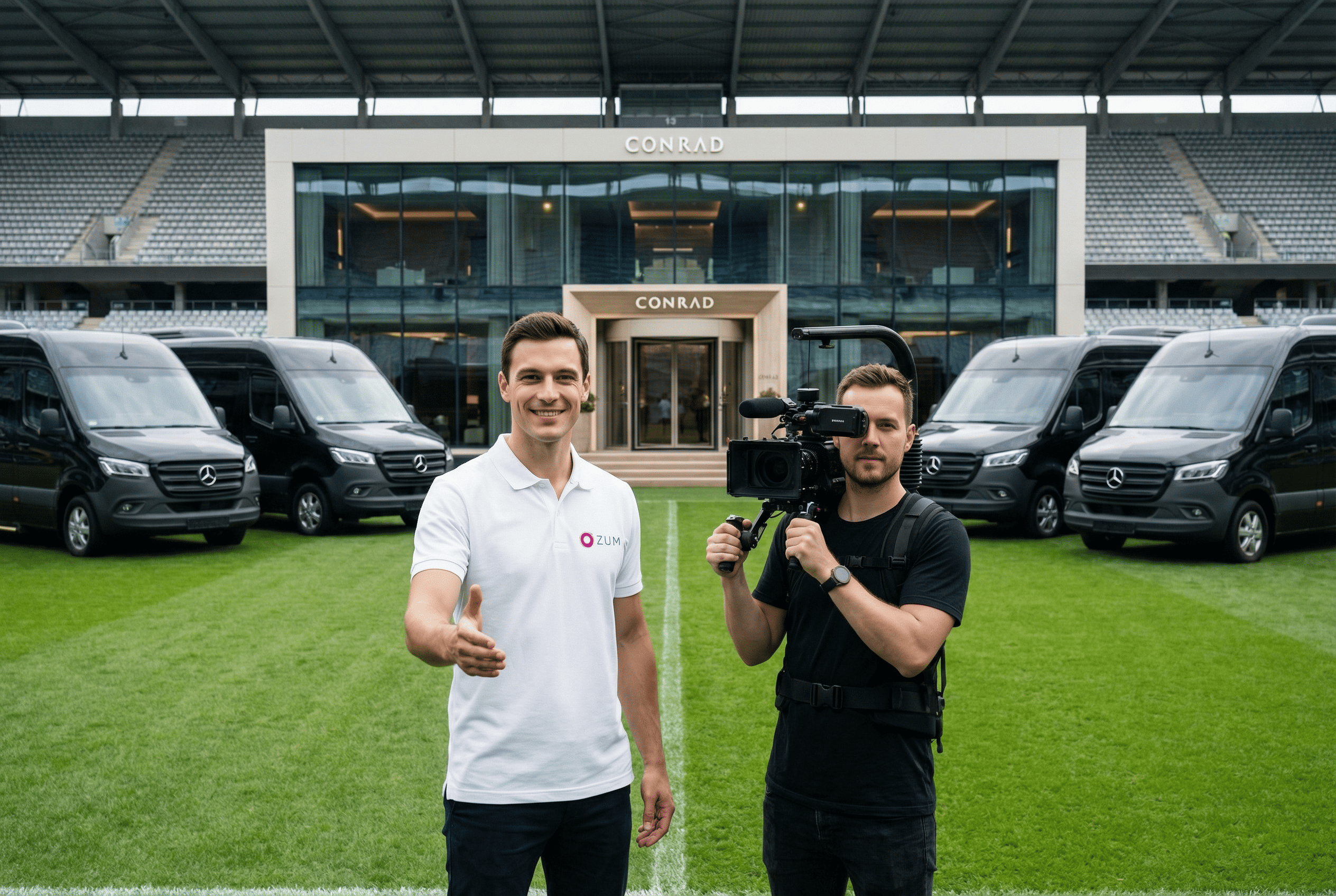
- High-End Hospitality Management: Event agencies design "turnkey" experiences ranging from executive transportation and premium lodging to specialized catering, allowing brands to strengthen relationships with their most critical stakeholders in exclusive environments.
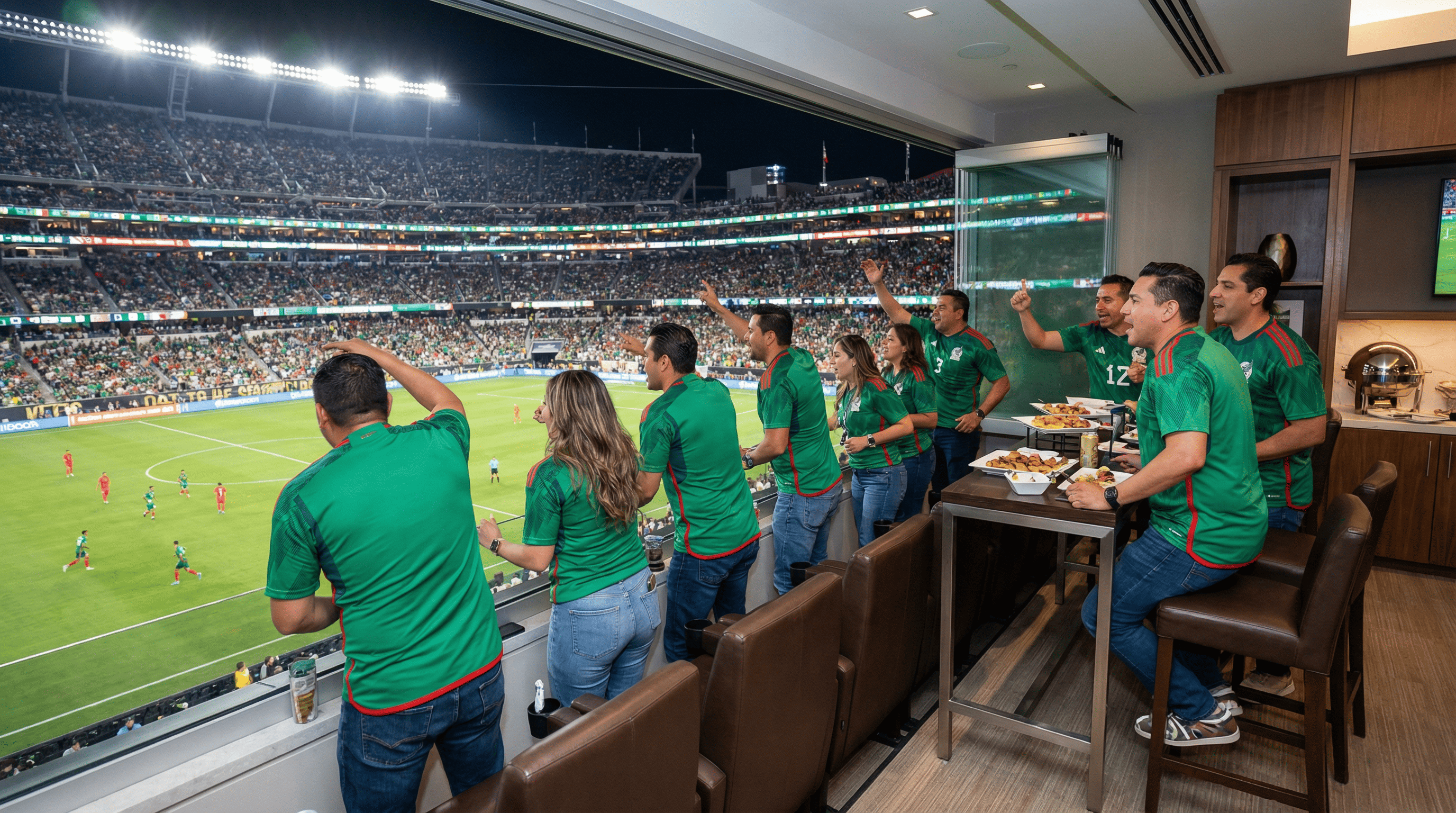
- Logistics and Temporary Infrastructure: The deployment of temporary structures such as luxury hospitality suites, advanced access control systems, and dynamic digital signage creates unprecedented demand for local and regional vendors to validate their operational scalability.
Capturing Market Share with Ambush Marketing Tactics
Not every company has the budget to be an official partner, but many still successfully "steal the spotlight." This practice, known as ambush marketing, involves associating a brand with the event without paying for official rights. Smart companies use cultural insights and perfect timing to join the conversation.
During past tournaments, brands have used "generic" football themes, national colors, and athlete ambassadors to evoke the spirit of the games. For example, a travel company might promote "trips to the biggest football event of the year" without using the trademarked "World Cup" name. When executed with agility, these campaigns can deliver a higher ROI than official sponsorships by avoiding the heavy "clean zone" restrictions and massive licensing fees.
Accelerating B2B Growth and Infrastructure Bidding
While consumer brands grab the headlines, the World Cup is a massive catalyst for B2B sectors. Host cities require a total overhaul of infrastructure, leading to billions of dollars in procurement opportunities. From audio visual vendors and security firms to pet waste removal and sustainable transport providers, the "event led development" model creates a gold rush for specialized services.
Smart B2B companies use the World Cup as a "laboratory for integration." They use the tournament's extreme demands to prove their scalability and reliability. Winning a World Cup contract whether it's for stadium construction or digital data tracking acts as a permanent seal of approval that can be used to win global bids for decades to follow.
Conclusion
Understanding how companies use the World Cup for business reveals a complex ecosystem where marketing, diplomacy, and industrial growth collide. From the global reach of Tier 1 sponsors to the local economic spillover in host city neighborhoods, the tournament serves as a high velocity engine for commercial innovation. For any brand, the key to success lies in early preparation and an authentic connection to the passion of the fans.


.png)
