

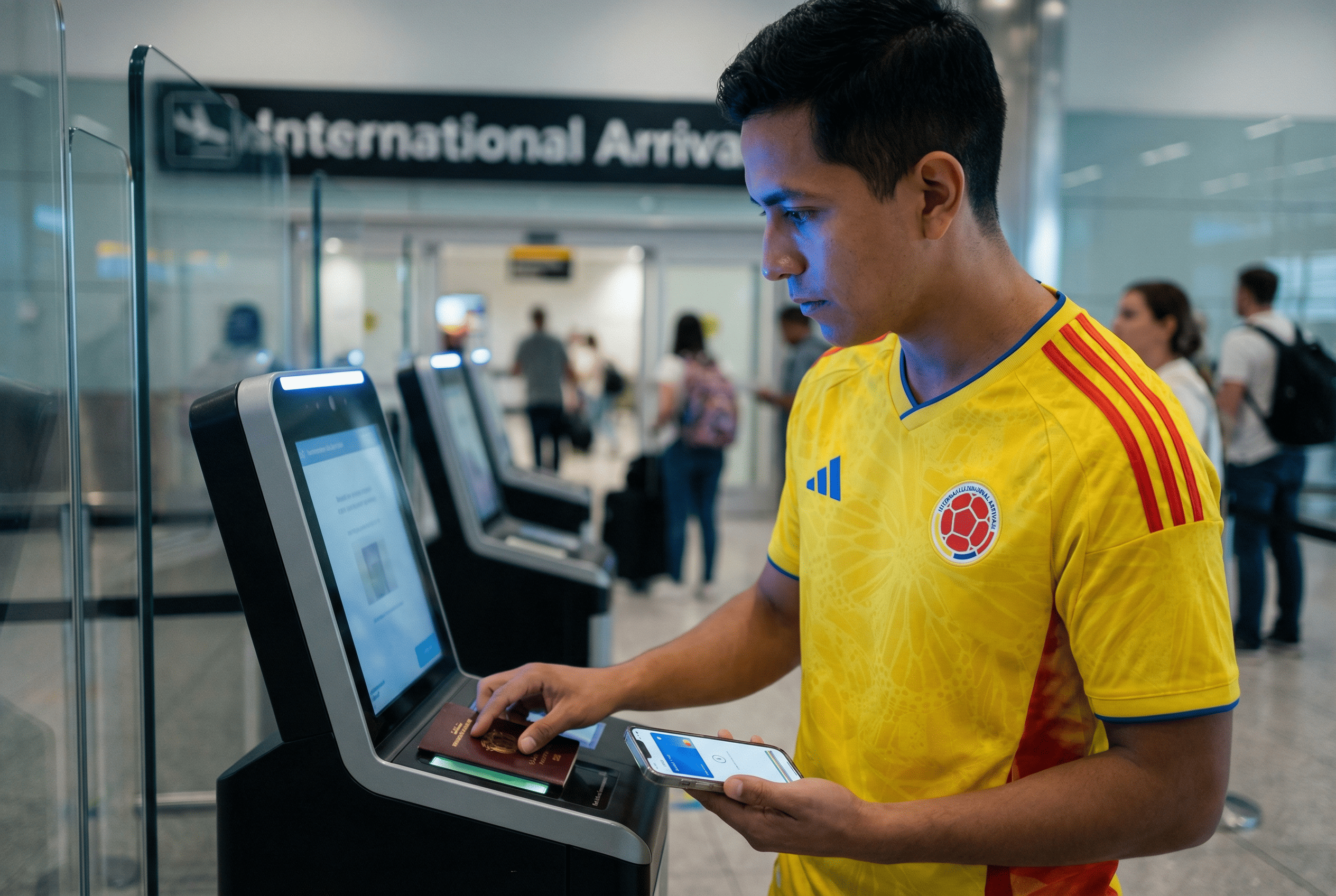
The 2026 tournament is set to be the most logistically ambitious sporting event in history. Spanning three nations and 16 host cities, the sheer scale of North America requires a shift in how fans approach matchday movement. For those following teams through the "Golden Triangle" a high traffic corridor linking Dallas, Guadalajara, and Philadelphia success depends on mastering cross border transit and varying regional infrastructure.
Navigating World Cup 2026 logistics effectively means moving beyond simple stadium to stadium planning. This specific route demands a sophisticated strategy that accounts for international customs, diverse flight networks, and the varying transit speeds of the East Coast versus the South and Mexico. This guide serves as your tactical playbook for managing the triangle and ensuring you spend more time in the stands than in transit.
How to Master World Cup 2026 Logistics Between Host Cities
Managing the distance between the North Texas plains, the highlands of Jalisco, and the Northeast megalopolis is the defining challenge of this tournament. Unlike previous editions in smaller geographic footprints, the 2026 event makes air travel the primary backbone of your itinerary.
For the Dallas Guadalajara Philadelphia route, you are looking at flight times ranging from 2.5 to 5 hours. To optimize your World Cup 2026 logistics, prioritize booking "open jaw" flight tickets early to avoid the surge pricing typical of major tournament hubs. While the East Coast benefits from rail, the southern legs of this triangle will rely heavily on major hubs like DFW and MMGL (Guadalajara International).
.png)
Coordinating Cross Border Travel Between the US and Mexico
Traveling between Guadalajara and either Dallas or Philadelphia involves crossing an international border, which can be a significant bottleneck. Fans must ensure they have a valid passport with at least six months of validity and understand the specific entry requirements for each nation.
- Customs and Immigration: Utilize the priority visa appointment systems if you are a ticket holder requiring a U.S. visa, as these programs provide faster processing for international visitors.
- Digital Documentation: Mexico typically requires the Forma Migratoria Múltiple (FMM), which can be completed online to speed up your arrival at Guadalajara International.
- Biometric Kiosks: Many U.S. ports of entry are implementing enhanced biometric screening for the tournament; ensure your digital credentials and travel authorizations are accessible on your mobile device.
Leveraging Regional Transport Hubs for Seamless Movement
Once you land in a "triangle" city, the mode of transport changes drastically. In Philadelphia, the Amtrak Northeast Regional provides a fast link to other matches in NYC or DC, but in Dallas and Guadalajara, private shuttles and rideshares are the standard.
For fans in Dallas, the primary stadium is located in Arlington, roughly 20 miles from both downtown Dallas and Fort Worth. Pre booking a dedicated stadium shuttle is essential here, as rideshare demand often exceeds capacity during 80,000 person events. In Guadalajara, the local stadium is accessible via the "Mi Movilidad" system, but the most efficient logistics for international visitors involve licensed hotel shuttles or pre arranged private drivers.
Strategic Movement Within the Dallas-GDL-Philly Corridor
The "Golden Triangle" represents three distinct cultures and three very different urban layouts. Your logistics plan must adapt as you move from the car centric infrastructure of Texas to the colonial streets of Guadalajara and the dense, walkable corridors of Philadelphia.
Efficiency is the priority when your schedule includes matches in these three locations within a single week. To keep your movement fluid, align your accommodation with the primary transport arteries staying near the "Main Line" in Philly or the Avenida Vallarta corridor in Guadalajara to minimize matchday "commute" times.
Optimizing Your Dallas Matchday Experience
Dallas acts as a massive central hub for the tournament, offering a high volume of domestic and international flights. However, its decentralized layout is a challenge for World Cup 2026 logistics. To avoid being stranded, fans should focus on the following:
- Airport Selection: Use DFW Airport for international arrivals and Love Field (DAL) for quick domestic hops to other U.S. host cities.
- Stadium Transit: Since there is no direct rail to the Arlington venue, look for "Fan Express" buses departing from major fan zones in Victory Park.
Navigating Guadalajara’s Unique Infrastructure
Guadalajara offers a vibrant, high energy atmosphere, but its traffic can be unpredictable. The key to navigating this leg of the triangle is "buffer time." The stadium sits on the western edge of the city, and matchday congestion can turn a 20 minute drive into a 90 minute ordeal. Using the new FBO facilities at Guadalajara International can significantly speed up the process for those using private or group charters.
Using Philadelphia as an East Coast Base
Philadelphia is arguably the easiest city in the triangle to navigate without a car. The local stadium is part of the South Philadelphia Sports Complex, which is directly served by the Broad Street Line subway. This allows fans to stay in Center City and reach the pitch in under 20 minutes, a luxury not found in the Dallas leg of the journey.
Conclusion
Success in the 2026 tournament won't just be measured by the score on the pitch, but by the efficiency of your travel. By treating the Dallas, Guadalajara, and Philadelphia corridor as a strategic "Golden Triangle," you can bypass the common pitfalls of cross border movement and stadium congestion. Prioritize early visa applications, utilize digital travel tools, and always choose rail over road when the geography allows.
Frequently Asked Questions | World Cup 2026 Logistics
What are the visa rules for the Golden Triangle?
Fans moving between these cities must follow international entry rules. U.S. and Canadian citizens generally only need an FMM for Mexico. Other international fans may need a B1/B2 visa for the U.S. and should use the expedited "visa for ticket holders" programs.
How much travel time is needed for cross border legs?
The Dallas-Guadalajara flight is 2.5 hours, but you should allow 5 hours total for security and customs. For Philadelphia to Guadalajara, allow 6–8 hours as direct flights are less frequent and connections may be necessary.
Is public transit available at every stadium?
Philadelphia has excellent subway access. Dallas and Guadalajara have limited rail to the stadiums; fans there should rely on official tournament shuttles or pre-booked private transport to ensure they arrive before kickoff.



.png)
