

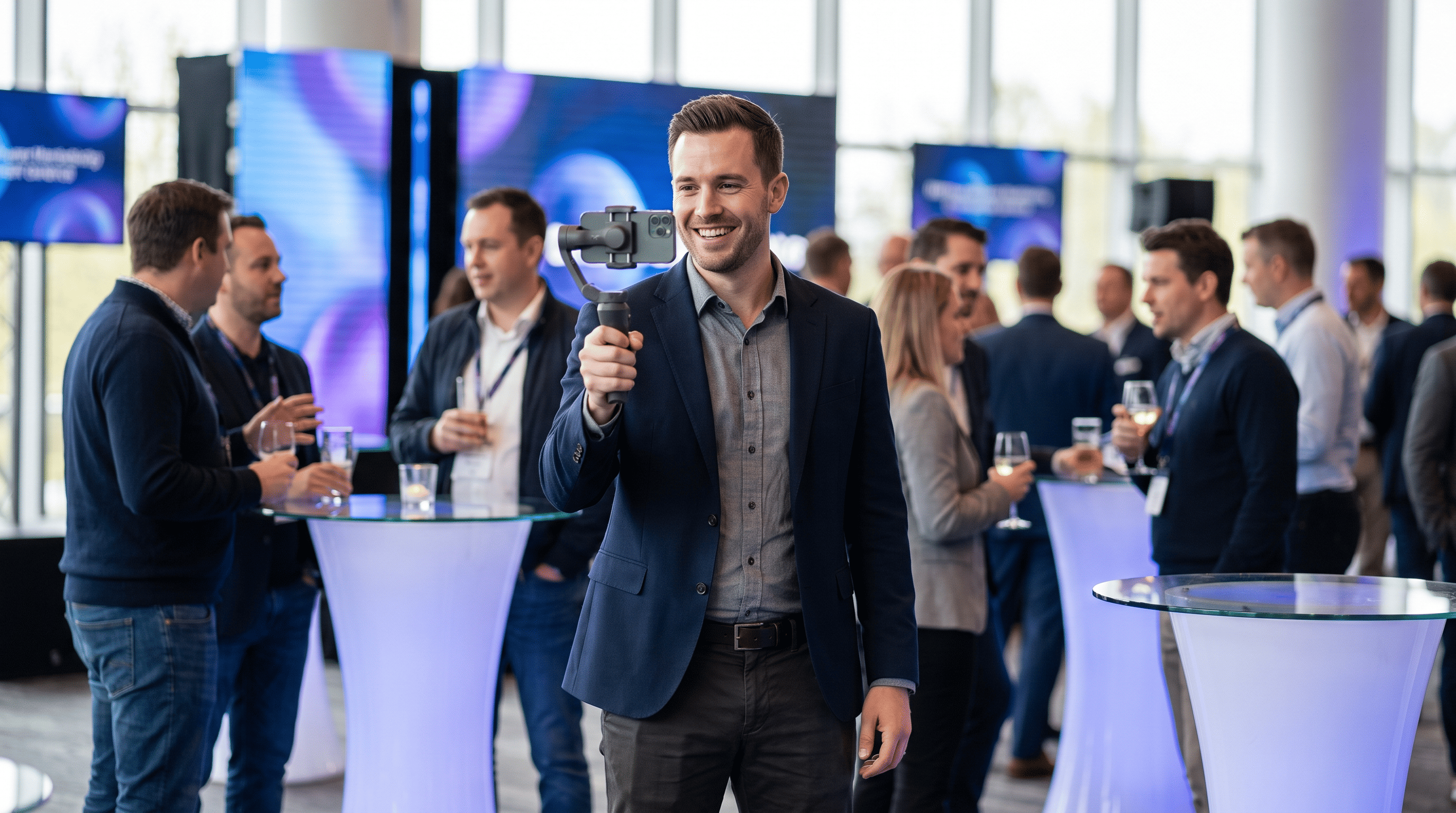
For years, corporate events were treated as isolated milestones a date on the calendar, a venue, a set of presentations, and a handshake at the door. Once the lights went down, the story pretty much ended there. That model no longer works. In 2026, the real measure of a successful corporate event isn't the applause in the room it's what happens with that moment afterward. Does it fuel a marketing campaign? Does it show up in someone's feed weeks later? Does it become the clip a sales team uses to close a deal?
This is exactly why content creators have become one of the most valuable roles in corporate event planning, and why brands that treat content as an afterthought are leaving measurable value on the table.
What Do Content Creators Actually Do at Corporate Events?
Content creators at corporate events whether in-house videographers, freelance social media specialists, or established influencers with built-in audiences are no longer booked a week before the event as a formality. They're part of the planning conversation from day one, alongside the AV team, the stage designer, and the marketing lead.
That shift matters because content strategy and event production are genuinely different skill sets. A technical crew focuses on making sure the microphones work and the livestream doesn't drop. A content creator focuses on something else entirely: spotting the story as it unfolds, reading the room for the moment worth capturing, and knowing when to step forward and when to stay in the background.
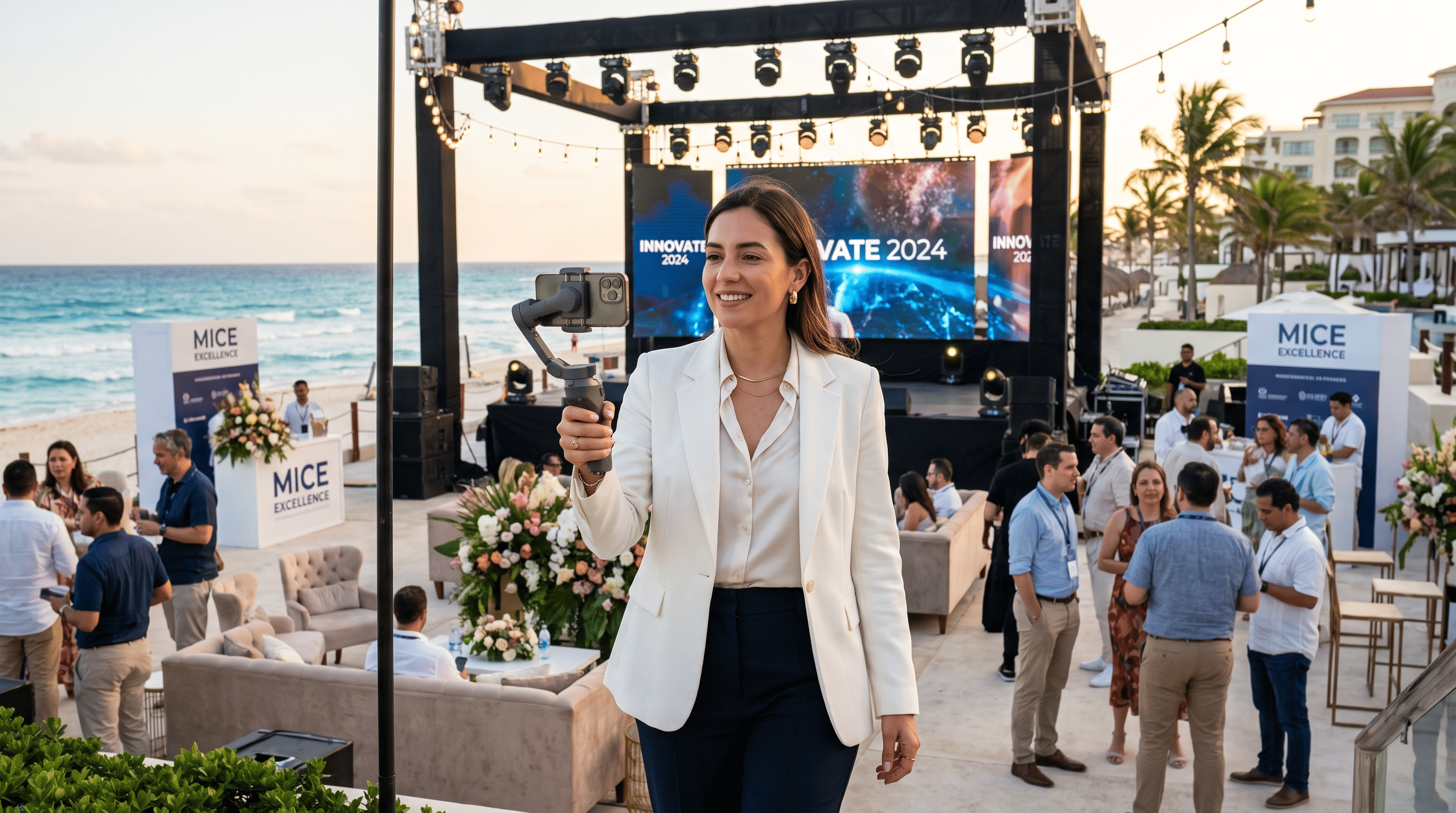
Why Brands Are Investing in Event Content Creators Earlier
When content strategy is built into event planning from the outset not bolted on afterward everything downstream improves. Speaker briefs can include guidance on being camera ready. Stage design can account for lighting and camera angles instead of treating them as an obstacle. Interview setups can be planned in high-traffic areas, like a networking lounge, so testimonials get captured while enthusiasm is still fresh.
This early involvement also unlocks a wider range of content assets than most organizers expect from a single event:
- Full keynote and panel recordings for on demand libraries
- Short, social-ready highlight clips for Instagram, LinkedIn, and TikTok
- Behind-the-scenes footage that humanizes the brand
- Speaker and attendee testimonials
- Live, real-time social content that builds momentum while the event is still happening
Each format has a different lifespan and audience, which is exactly why it needs to be planned for, not improvised on the day.
Two Types of Event Content Creators (And Why You Need Both)
1. The Documentarians: Capturing the Event Itself
These are the internal or hired creators videographers, photographers, editors whose job is to capture the event: the keynote, the fireside chat, the crowd reactions, the quiet backstage moments before someone walks on stage. Their output becomes the brand's own content archive, reusable across blogs, sales decks, internal culture videos, and future campaigns.
A single well-captured keynote can be repackaged into a highlight reel, a leadership video, a quote graphic, and a case study all from one recording session.
2. The Amplifiers: Extending Reach Through Influencers
Influencers and creators with established audiences are brought in specifically to extend an event's reach beyond the people physically in the room. This is a different discipline entirely. An influencer isn't just filming the event they're translating it for their own community, in their own voice, which is exactly why their content tends to feel more authentic than a brand's polished, in-house output.
Both roles matter. The organizers who get the most value from their events are the ones who use documentarians and amplifiers together, rather than treating them as interchangeable.
What Makes Influencer Partnerships at Corporate Events Actually Work
Bringing in outside creators sounds simple in theory pay someone with a following to post about your event but the partnerships that actually move the needle share a few things in common:
Clarity from the start. Vague expectations lead to vague content. The most effective collaborations define deliverables, timelines, and compensation upfront, so there's no ambiguity about what "posting about the event" actually means.
Creative freedom within a framework. Micromanaging a creator's voice tends to produce content that feels like an ad and audiences tune those out fast. The better approach: share the event's key messages and let the creator communicate them authentically to their own audience.
Audience fit over follower count. A creator with a smaller but genuinely engaged following often outperforms one with mass reach but low engagement. Does this creator's community overlap with the people you actually want at your event? That question matters more than raw numbers.
Genuine interest in the event or industry. Audiences can tell when a creator is just going through the motions for a paycheck. Creators with a real connection to the brand or industry tend to produce content that reads as authentic rather than transactional.
How to Measure Content ROI From Corporate Events
Just like any marketing investment, the value of content creators at an event needs to be measured against concrete metrics, not vibes:
- Engagement quality shares, saves, and comments, not just views
- Ticket sales or registrations tied to affiliate links or unique promo codes
- Social following growth during and after the event
- Lead generation tied to specific content pieces or creators
- Internal engagement when content is repurposed for company culture and communications
Turning "the influencer content did well" into hard numbers is what lets marketing teams justify and improve the content budget for the next event.
The Bigger Picture: Events as Content Ecosystems, Not One Day Moments
The shift is simple but significant: a corporate event is no longer a single day it's the seed of an entire content ecosystem. A keynote isn't just a keynote; it's raw material for a blog post, a sales enablement clip, a recruiting video, and a dozen social posts spread across the following months. A single influencer partnership isn't a one off post; done well, it's the start of a longer relationship that pays off across future events too.
Content creators whether behind the camera documenting the day or in front of it representing the brand to their own community are what make that shift possible. They're the reason an event's impact doesn't end when the last guest walks out the door. It's just getting started.
FAQs| The Role of Content Creators in Corporate Events
Q: Why are content creators important for corporate events?
A: They extend the value of an event beyond the day it happens, turning live moments into reusable marketing assets like videos, social posts, and testimonials that generate ROI for months afterward.
Q: What's the difference between an event videographer and an event influencer?
A: A videographer documents the event for the brand's own archive and future use. An influencer amplifies the event to their own external audience, adding a layer of authenticity a brand can't replicate on its own.
Q: How do you measure the success of influencer content at an event?
A: Track engagement quality (not just views), registrations or sales tied to unique codes, follower growth, and lead generation attributed to specific content or creators.



.png)
