

Why 2026 Is a Defining Year for Corporate Event Strategy
The year 2026 marks a convergence of global cultural, sporting, and technological milestones that are reshaping how organizations think about corporate events. From the World Cup spanning three nations to the Winter Olympic and Paralympic Games in Milano-Cortina, and rapid advancements in AI and sustainability, the year ahead presents a rare opportunity to align business experiences with the world’s most influential themes.
For corporate leaders and event strategists, the challenge—and opportunity—is to design experiences that are relevant, globally resonant, and strategically aligned with emerging organizational priorities. Below are five key themes defining forward-thinking corporate events in 2026.
1. Global Unity & Play
Inspired by the World Cup 2026 (USA, Mexico, Canada)
Strategic Relevance
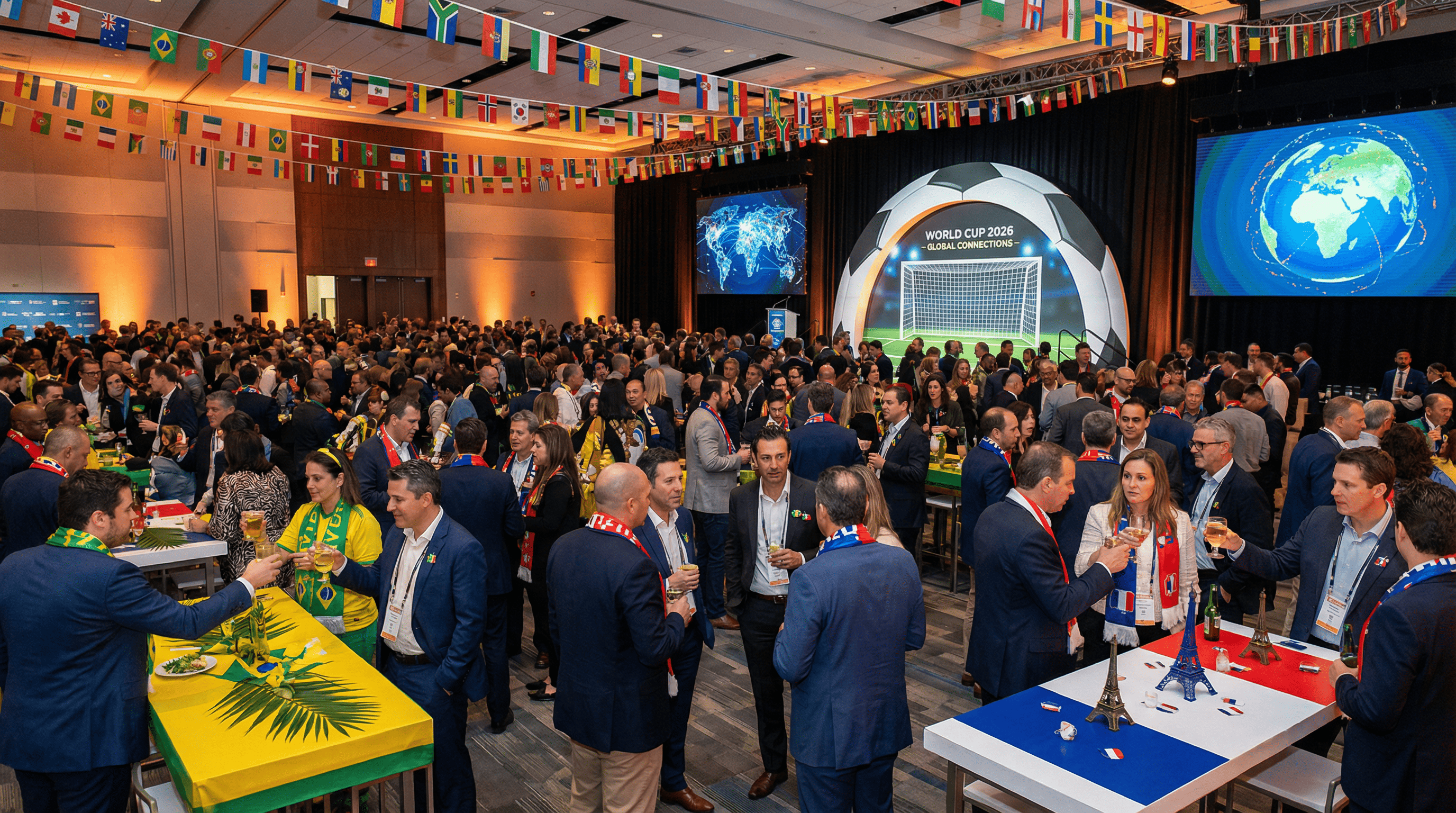
The 2026 World Cup represents more than sport—it’s a global celebration of connection, diversity, and shared purpose. For organizations, this spirit offers a chance to reinforce multicultural collaboration and global unity across regions and teams.
Corporate Mindset Connection
In an era where hybrid work and distributed teams are the norm, “Global Unity & Play” taps into the corporate need for connection through shared experience. Playful, inclusive themes can bridge cultural divides, nurture engagement, and revitalize morale.
Practical Applications
- Global kick-off events connecting offices across continents
- Multicultural team-building programs with regional flair
- Hybrid celebrations livestreamed from multiple international locations
- Country-themed activations reflecting global business markets
2. Peak Performance Culture
Inspired by the Milano-Cortina 2026 Winter Olympic & Paralympic Games
Strategic Relevance
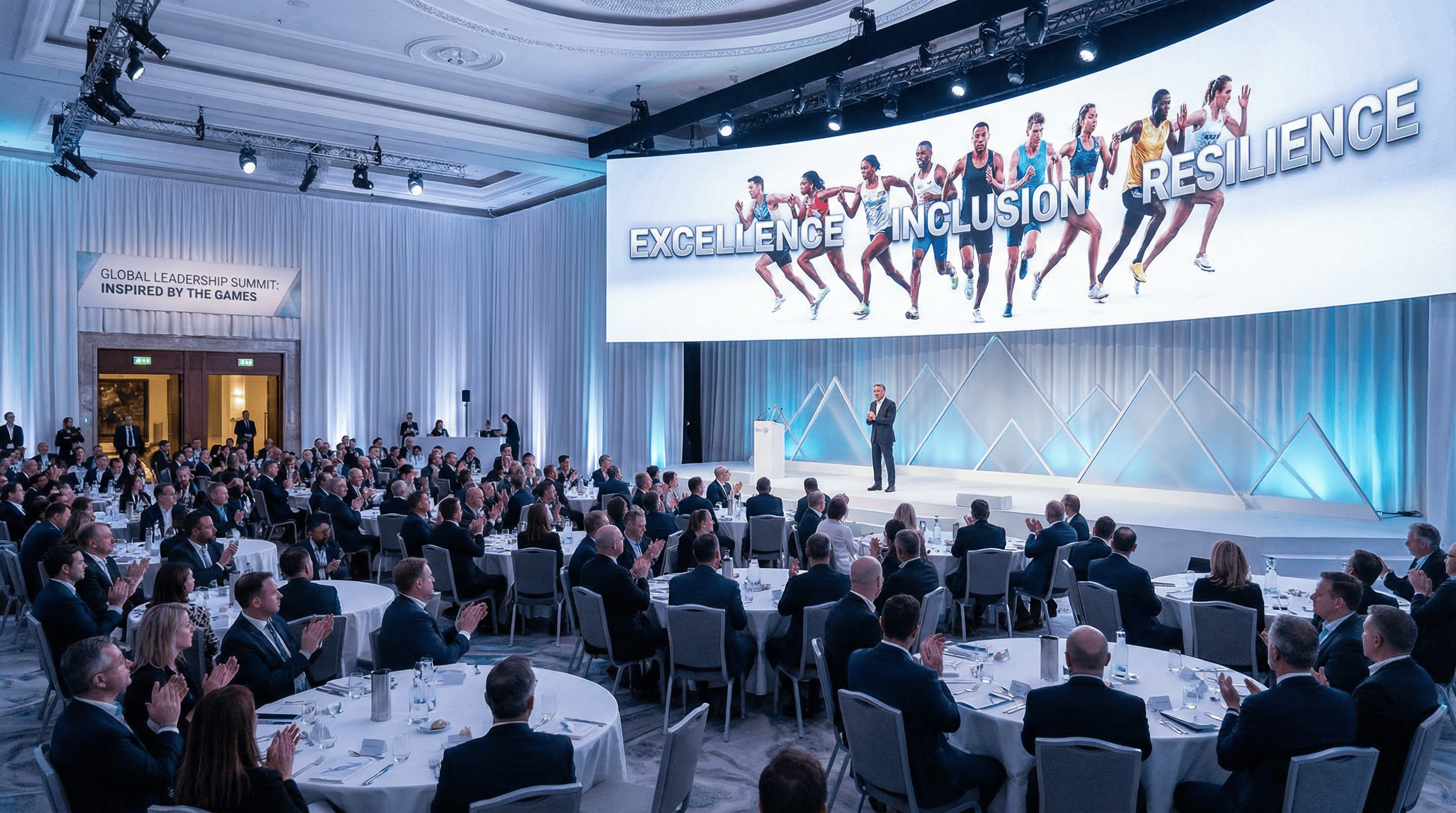
The Olympic spirit centers on excellence, resilience, and inclusion—values that mirror the evolving culture of high-performance organizations. As companies emphasize well-being alongside productivity, this theme embodies the new balance between achievement and empathy.
Corporate Mindset Connection
Corporate leaders increasingly view performance through a human-centered lens. Recognizing effort, encouraging resilience, and celebrating diversity are crucial to sustaining engagement and purpose-driven success.
Practical Applications
- Leadership conventions inspired by the Olympic ethos
- Employee recognition programs celebrating inclusion and achievement
- Narrative-driven events highlighting personal and corporate resilience
- Culture-focused summits linking purpose with performance
3. Future-Ready Organizations
Inspired by Mobile World Congress and Advances in AI & Technology
Strategic Relevance
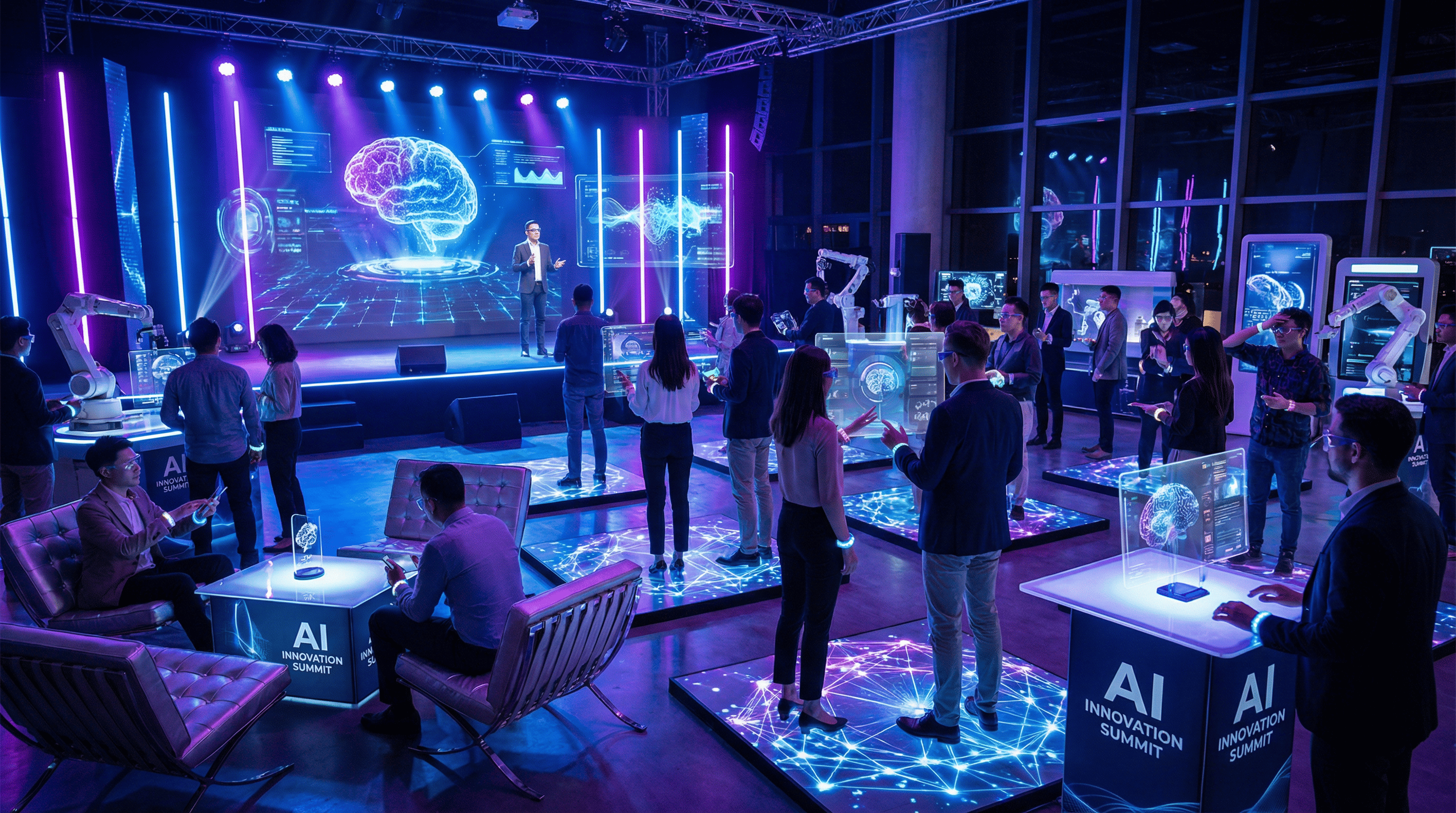
As artificial intelligence and automation transform industries, forward-looking organizations are investing in digital literacy and innovation culture. Events that embody this theme help teams understand and harness technological evolution for strategic advantage.
Corporate Mindset Connection
In 2026, being “future-ready” is synonymous with being adaptive, data-driven, and human-centric. Leaders are using events not just to inform but to immerse teams in the technologies shaping tomorrow’s business landscape.
Practical Applications
- Innovation summits exploring AI, automation, and digital ethics
- Tech launch events showcasing new solutions and business tools
- Hackathons promoting cross-functional problem-solving
- Interactive labs that simulate real-world applications of emerging technologies
4. Creativity That Drives Business
Inspired by Cannes Lions and the Global Creative Economy
Strategic Relevance
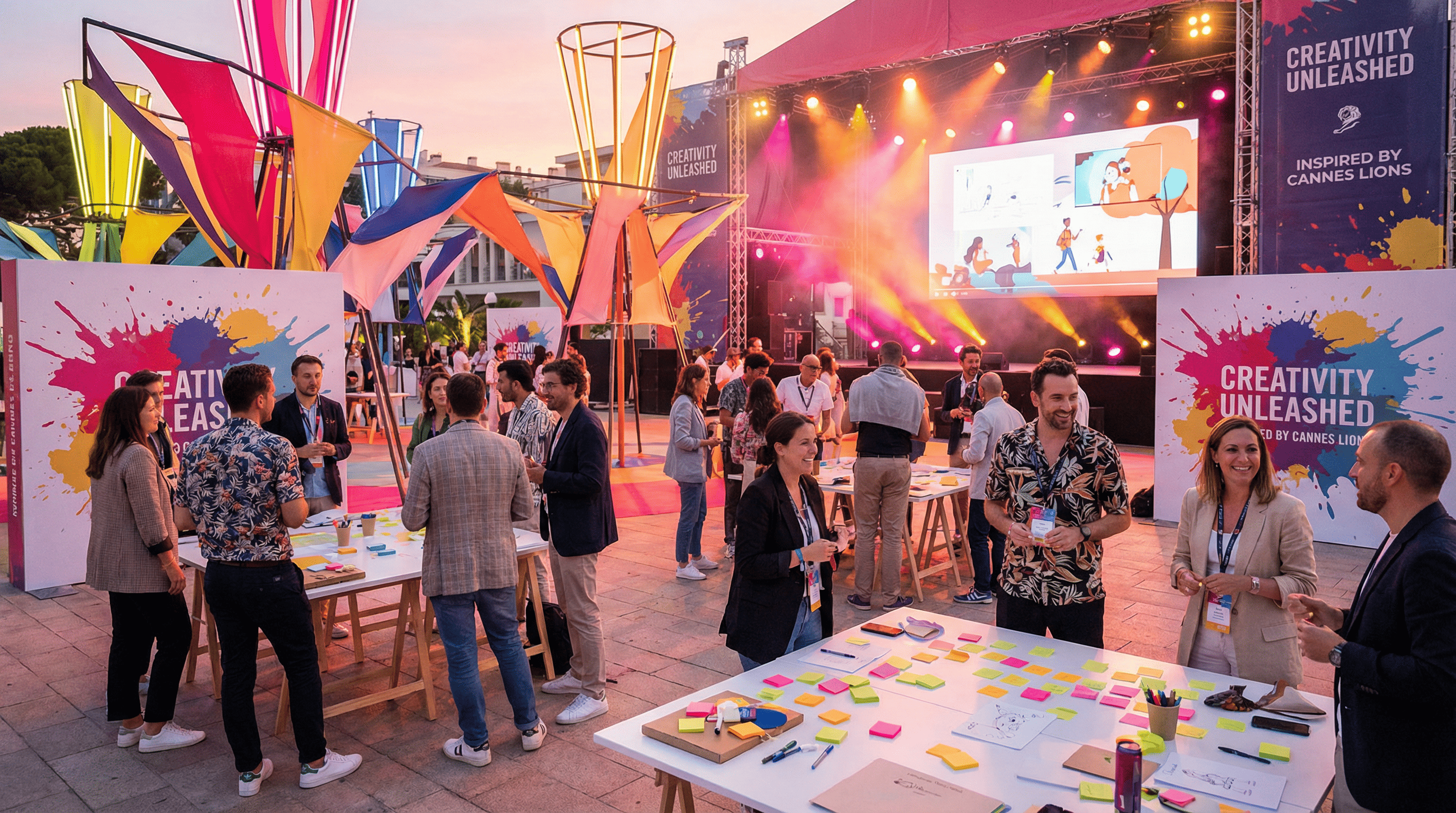
Creativity is no longer confined to marketing—it’s a strategic differentiator across all business functions. As organizations navigate rapid change, creative thinking fuels adaptability, innovation, and emotional resonance in both internal and external engagement.
Corporate Mindset Connection
Executives recognize creativity as a measurable driver of innovation and brand differentiation. Fostering creative confidence across teams strengthens corporate culture and drives performance.
Practical Applications
- Creative leadership offsites emphasizing storytelling and design thinking
- Brand and marketing summits focused on cross-industry inspiration
- Internal innovation challenges fostering collaborative ideation
- Storytelling workshops linking creativity to commercial impact
5. Sustainable Impact & Legacy
Inspired by ESG Agendas and Responsible Global Events
Strategic Relevance
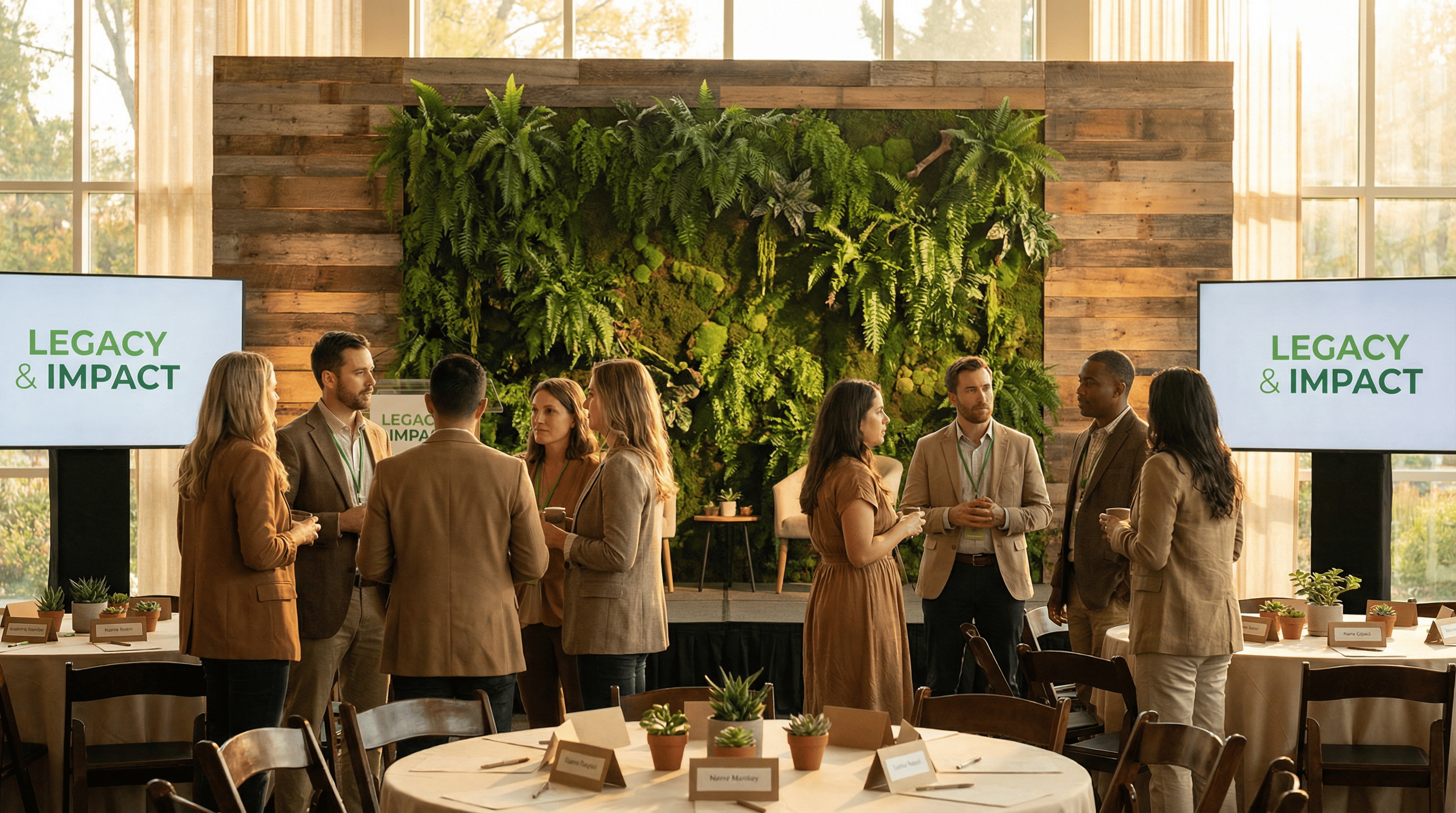
Sustainability has evolved from corporate obligation to strategic imperative. In 2026, event strategies reflect this shift, focusing on lasting impact, measurable responsibility, and community value creation.
Corporate Mindset Connection
Companies are embracing ESG principles not only to meet stakeholder expectations but to reinforce their identity as purpose-led organizations. Events designed around sustainability demonstrate both leadership and authenticity.
Practical Applications
- Carbon-conscious events with measurable sustainability goals
- Social impact activations partnering with local communities
- Purpose-driven year-end celebrations focused on giving back
- Legacy experiences that extend beyond the event itself through ongoing community partnerships
FAQs: Planning for the 2026 Corporate Event Landscape
1. Why are global events influencing corporate event themes?
Major global events like the World Cup and Olympics set cultural and emotional benchmarks that businesses can align with to make their events more relevant and resonant.
2. How can companies adapt these themes to different industries?
Themes should be interpreted through each industry’s lens—tech firms might focus on “Future-Ready Organizations,” while global brands could prioritize “Global Unity & Play.”
3. Are these themes relevant for small and mid-size companies?
Absolutely. These concepts scale easily; smaller organizations can implement them through internal workshops, virtual team-building, or local community events.
4. How do unique themes improve engagement and ROI?
Strategically themed events create emotional connection and alignment with business goals, resulting in higher participation, stronger messaging retention, and measurable outcomes.
5. What should companies consider when planning events for 2026?
Flexibility, hybrid readiness, sustainability, and meaningful storytelling will be essential pillars for effective, future-proof event strategies.


.png)
