

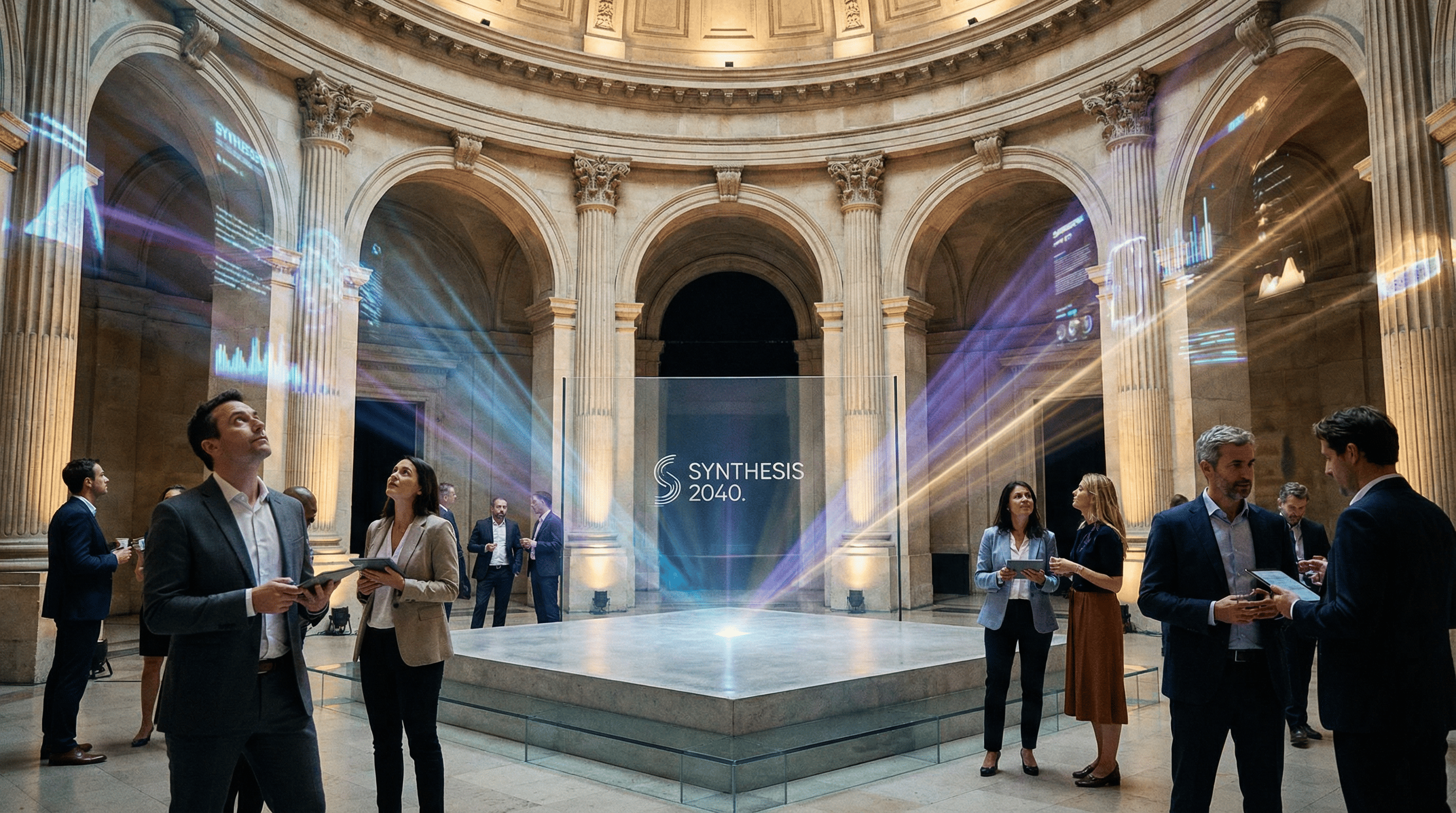
The traditional mold of corporate events is rapidly evolving. For years, the industry relied on predictable motifs and superficial decor, but today’s attendees demand more than just a well catered dinner. To design a theme that resonates, planners must shift away from "decoration" and toward a cohesive creative framework that prioritizes purpose and modern aesthetics.
Creating a contemporary experience requires a deep understanding of brand narrative and audience psychology. By focusing on narrative driven design rather than fleeting trends, you can ensure your event feels fresh, relevant, and impactful. This guide explores the "Creative Framework" necessary to elevate your next gathering beyond the expected.
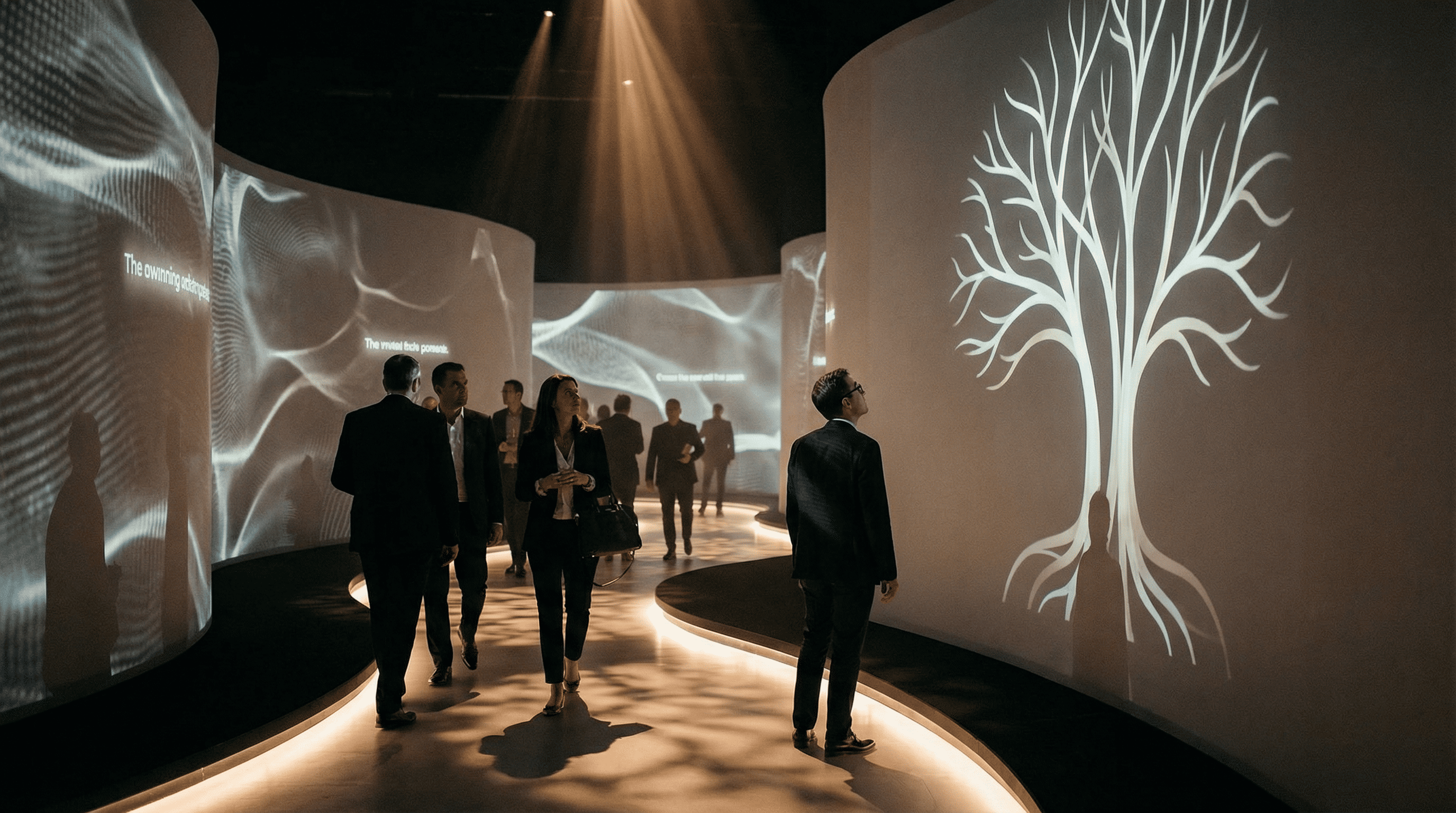
Moving Beyond the "Gala" Mindset
The era of the generic "Black and Gold Gala" or "Casino Night" has passed. These themes often feel dated because they lack a specific connection to the organization’s current goals or culture. To modernize your corporate events, you must treat the theme as a strategic tool rather than a visual coat of paint.
A modern approach focuses on the "why" before the "what." Instead of selecting a theme based on what looks good in a catalog, consider the emotional state you want to evoke in your guests. Are you celebrating a year of resilience, or are you launching a disruptive new product? The theme should be a direct reflection of that specific milestone.
Storytelling: The Foundation of Every Great Theme
Effective experiential marketing relies on a clear, consistent narrative. Every element of your event from the digital invitation to the closing keynote should tell a part of that story. When a theme is rooted in storytelling, it becomes "evergreen" because it is tied to a unique brand journey rather than a Pinterest trend.
To implement this, define a core message or "North Star" for the event. If your message is "Transparency," your design might utilize glass elements, open floor plans, and honest, behind the scenes content. This creates immersive events where the environment reinforces the spoken word, making the experience feel intentional and sophisticated.
Sensory Design: Engaging More Than Just Sight
Visuals are only one part of the attendee experience. To create truly unique themes for corporate events, planners must engage all five senses. Sensory design prevents a theme from feeling "flat" or two dimensional, providing a depth that keeps the atmosphere from feeling dated or superficial.
- Olfactory Branding: Use subtle, customized scents in the lobby to trigger memory and mood.
- Tactile Textures: Replace standard linens with materials like sustainable wood, stone, or high quality recycled fabrics.
- Auditory Landscapes: Move beyond generic background music to curated soundscapes that evolve throughout the day.
By layering these elements, you create a multi-dimensional environment that feels premium and curated.
Case Study: Turning a Brand Value into a Live Experience
Consider a technology firm that wants to highlight "Sustainability." Instead of a literal "Green" theme with potted plants, they utilize a "Circular Systems" framework. This is a prime example of high level experiential marketing where the theme is a living embodiment of a brand value.
In this scenario, the event might feature:
- Zero waste catering stations with edible garnishes.
- Digital signage that eliminates the need for printed foam boards.
- Furniture made from repurposed ocean plastic that is auctioned for charity afterward.
This approach ensures the theme is grounded in substance. It transforms corporate events from simple gatherings into powerful brand statements that remain memorable long after the doors close.
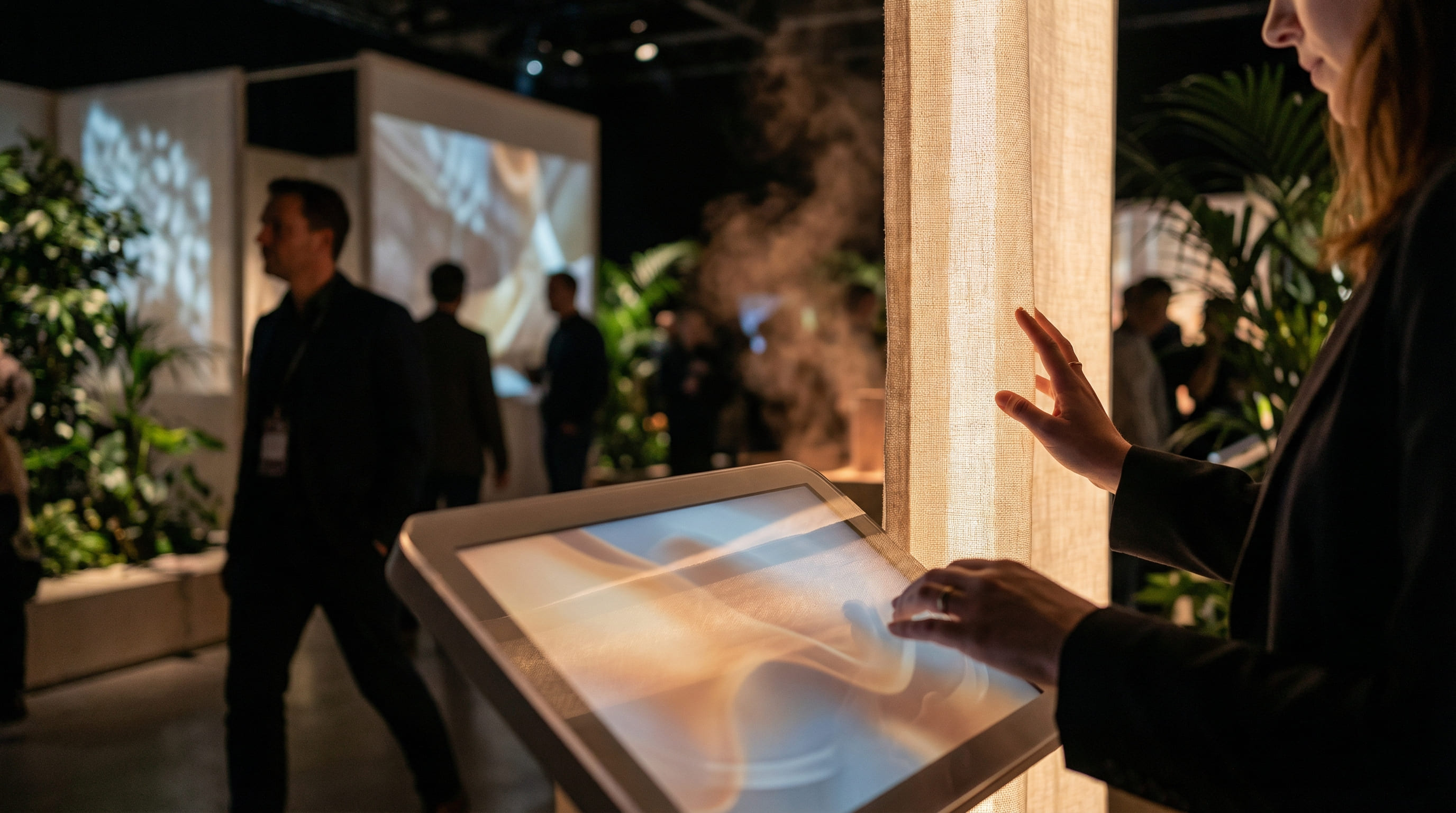
The 2026 Aesthetic: Minimalist, Tech-Forward, and Human-Centric
As we move through 2026, the dominant aesthetic for immersive events is characterized by "Warm Minimalism." This style avoids the coldness of traditional corporate settings in favor of clean lines, natural materials, and smart technology that disappears into the background.
- Tech Integration: Use augmented reality (AR) for wayfinding rather than cluttered physical signage.
- Human Centric Layouts: Design "collision zones" that encourage natural networking rather than forced icebreakers.
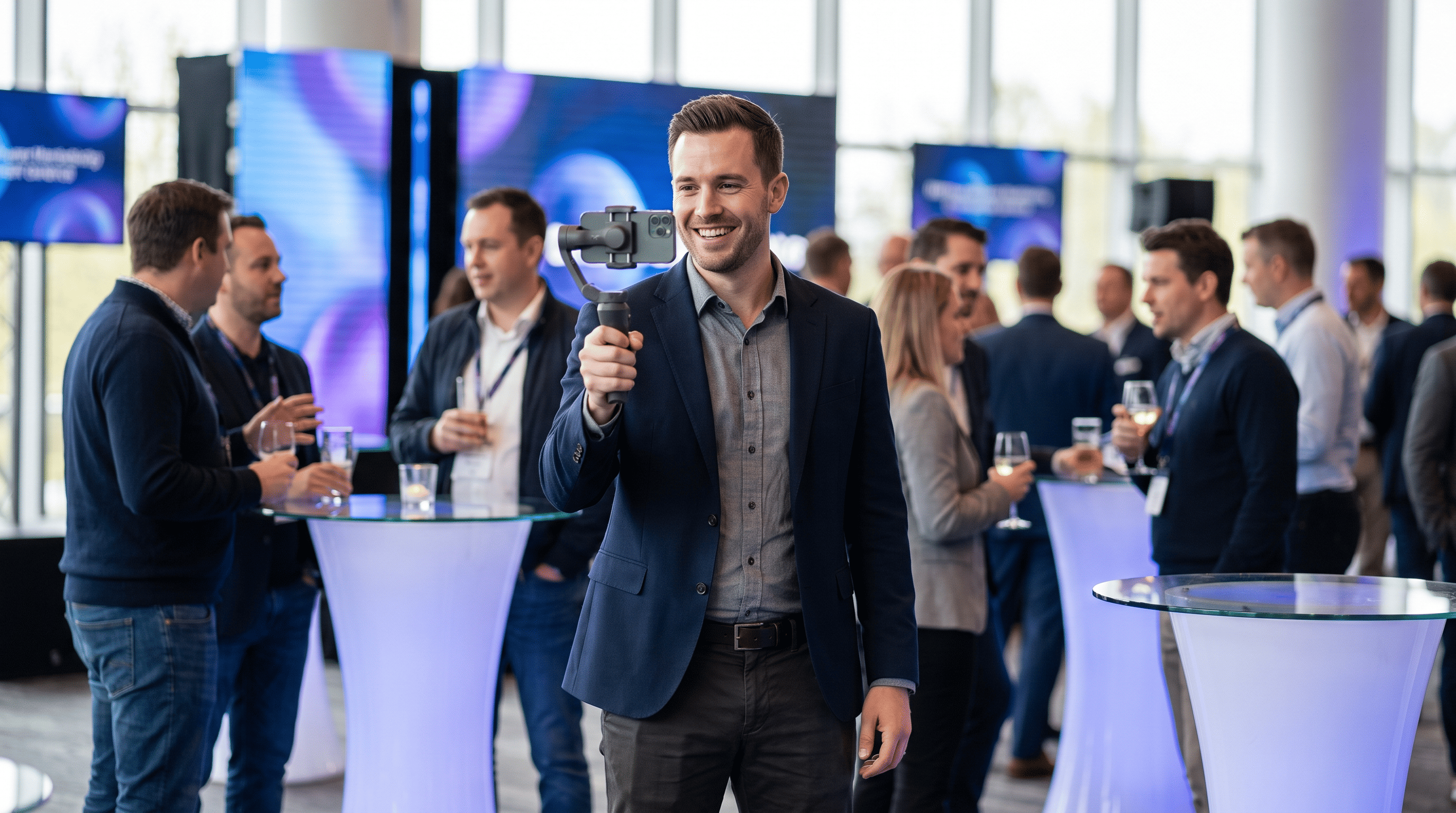
- Lighting as Decor: Use programmable LED installations to change the mood of the room without moving a single piece of furniture.
The goal is to create a space that feels high-tech yet deeply human, ensuring the environment supports the primary reason people attend: meaningful connection.
Conclusion
Designing a corporate event theme that stands the test of time requires a move away from superficial trends and toward a strategy rooted in narrative and sensory engagement. By applying the Creative Framework prioritizing storytelling, sensory depth, and brand values you can create experiences that feel modern, purposeful, and far from dated.
Focus on the intersection of your brand's identity and your audience's needs to deliver an event that resonates on a deeper level.

.png)
